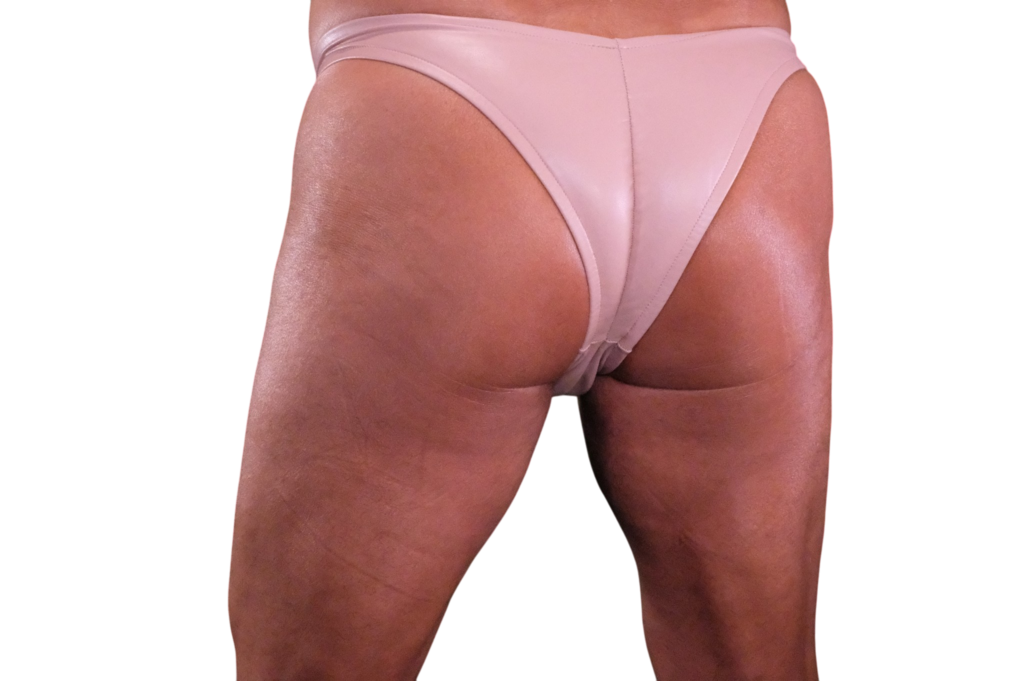
Swimwear Briefs for Men and Women: How Modern Styles Are Crossing Gender Lines
Discover how swimwear briefs for men and women have evolved into remarkably similar designs. Learn about cuts, fabrics, fit, gender-neutral trends, and how modern swimwear is redefining beach fashion.
Swimwear Briefs for Men and Women
Swimwear briefs have become one of the fastest-growing categories in modern beach fashion. Once separated by distinct men’s and women’s designs, today’s swimwear briefs often share remarkably similar silhouettes, fabrics, colors, and styling. Whether you’re shopping for a classic racing brief, a Brazilian cut, a high-cut bikini brief, or a minimalist micro design, you’ll notice that the differences between men’s and women’s swimwear continue to shrink.
This evolution reflects broader changes in fashion, athletic performance, body positivity, and individual expression. Designers are increasingly focused on creating swimwear that prioritizes comfort, movement, and personal style rather than rigid gender expectations.
For many people, choosing a swimwear brief today is less about whether it was marketed to men or women and more about how it fits, feels, and expresses their personality.
What Is a Swimwear Brief?
A swimwear brief is a close-fitting swimsuit that covers the hips and lower torso while allowing maximum freedom of movement.
Unlike loose board shorts or trunks, swimwear briefs are designed to fit close to the body.
Common characteristics include:
- Stretch performance fabrics
- Minimal water resistance
- Quick drying
- Lightweight construction
- Secure fit during swimming
- Comfortable support
- Athletic appearance
Originally developed for competitive swimmers, swimwear briefs are now worn for recreation, fitness, tanning, water sports, and fashion.
The Evolution of Swimwear Briefs
Several decades ago, men’s and women’s swimwear followed very different design philosophies.
Traditional men’s swimwear often featured:
- Larger front coverage
- Lower leg openings
- Conservative colors
- Functional styling
- Wider waistbands
Women’s swimwear typically emphasized:
- Higher-cut legs
- Narrower side panels
- Fashion prints
- Decorative elements
- More varied silhouettes
Today, these distinctions have become much less pronounced.
Many contemporary collections share the same:
- Fabric technology
- Waist heights
- Side widths
- Color palettes
- Prints
- Construction techniques
- Athletic styling
The result is a marketplace where many swimwear briefs differ more by sizing and patterning than by overall appearance.
Why Men’s and Women’s Swimwear Briefs Look More Alike
Several trends have contributed to this convergence.
Performance Design
Athletic swimwear is driven by function.
Competitive swimmers—regardless of gender—benefit from suits that reduce drag, fit securely, and move naturally with the body. These performance goals have influenced recreational swimwear as well.
Designers increasingly favor streamlined shapes that work for many body types.
Stretch Fabrics Have Changed Everything
Modern swim fabrics combine materials such as:
- Nylon
- Polyester
- Elastane (spandex)
- Lycra® blends
- Recycled performance fibers
These fabrics stretch comfortably in multiple directions while maintaining their shape.
Because the material adapts to different body contours, designers can create silhouettes that work across a wider range of wearers.
Athletic Fashion Influences
The rise of fitness culture has blurred the line between sportswear and swimwear.
Many swimwear briefs resemble:
- Compression shorts
- Running briefs
- Wrestling singlets
- Cycling apparel
- Volleyball uniforms
Athletic aesthetics tend to emphasize clean lines and functional design rather than traditionally gendered details.
Body Positivity and Personal Style
Modern consumers increasingly choose clothing based on comfort and self-expression.
Many shoppers prioritize:
- Fit
- Fabric
- Color
- Performance
- Confidence
- Personal taste
Rather than feeling limited by traditional labels, people often explore styles that best match their preferences.
Popular Swimwear Brief Styles
Classic Swim Brief
The timeless swim brief remains one of the most versatile designs.
Features include:
- Medium-rise waist
- Moderate rear coverage
- Secure fit
- Comfortable support
- Clean athletic appearance
Available for all genders, this style is common at pools, beaches, and competitive swim facilities.
Racing Brief
Inspired by elite swimming competition, racing briefs feature:
- Hydrodynamic construction
- Narrow side panels
- Smooth compression fabrics
- Performance-focused fit
Many racing briefs share nearly identical design principles regardless of the intended market.
Brazilian Brief
Brazilian-inspired briefs offer:
- Higher leg openings
- Slightly narrower rear coverage
- Fashion-forward appearance
- Comfortable mobility
This cut has become increasingly popular across multiple swimwear collections.
High-Cut Brief
High-cut designs elongate the appearance of the legs.
Characteristics include:
- Elevated leg openings
- Streamlined silhouette
- Retro inspiration
- Contemporary styling
Originally more common in women’s swimwear, high-cut designs are now appearing in men’s collections as well.
Micro Swim Brief
Minimalist swimwear has become increasingly visible in resort destinations and fashion-forward beach communities.
Micro briefs often emphasize:
- Lightweight construction
- Minimal tan lines
- Modern styling
- High-stretch fabrics
These designs are available in a variety of interpretations for different preferences.
Fabric Technology Continues to Improve
Modern swimwear benefits from significant advances in textile engineering.
Common features include:
- Four-way stretch
- UV protection
- Chlorine resistance
- Saltwater durability
- Shape retention
- Fast drying
- Breathability
- Soft hand feel
Premium performance fabrics make contemporary swimwear more comfortable than earlier generations.
Color Trends Are Shared Across Collections
One of the clearest signs that swimwear briefs are crossing traditional gender boundaries is the widespread use of similar color palettes.
Popular colors include:
- Black
- Navy
- White
- Bright red
- Turquoise
- Emerald green
- Purple
- Orange
- Hot pink
- Yellow
Prints have also become increasingly universal:
- Tropical florals
- Abstract graphics
- Geometric designs
- Animal prints
- Camouflage
- Color blocking
- Gradient fades
These styles are now commonly seen in collections marketed to different audiences.
Similar Cuts, Different Patterning
While many swimwear briefs look alike, small differences remain in pattern design.
These adjustments accommodate different body shapes and support needs while preserving a similar overall appearance.
Examples include:
- Front panel shaping
- Lining placement
- Seam positioning
- Waistband tension
- Leg opening dimensions
These construction details influence comfort without dramatically changing the visual style.
The Rise of Gender-Neutral Swimwear
Many brands now offer swimwear intended for anyone who enjoys the design.
Gender-neutral collections often emphasize:
- Simple silhouettes
- Comfortable stretch
- Minimal branding
- Inclusive sizing
- Versatile styling
These collections allow shoppers to focus on fit and function rather than labels.
Why People Choose Swimwear Briefs
There are many reasons why swimwear briefs remain popular.
Comfort
A close fit reduces shifting during swimming and other water activities.
Freedom of Movement
Minimal fabric allows unrestricted movement for swimming, beach sports, and water fitness.
Reduced Drag
Briefs create less resistance in the water than loose-fitting trunks.
Compact Packing
They take very little space in luggage, making them ideal for travel.
Quick Drying
Modern fabrics dry rapidly after leaving the water.
Contemporary Style
Many people simply enjoy the clean, athletic look.
Finding the Right Fit
When selecting a swimwear brief, consider:
- Waist measurement
- Hip measurement
- Intended activity
- Desired coverage
- Fabric composition
- Stretch characteristics
- Lining
- Drawstring construction
A properly fitted brief should remain secure without restricting movement.
Caring for Swimwear Briefs
To maximize longevity:
- Rinse after swimming.
- Wash gently with mild detergent.
- Avoid harsh chemicals.
- Air dry in the shade.
- Avoid rough pool surfaces.
- Rotate between multiple suits if swimming frequently.
These practices help preserve elasticity and color.
The Future of Swimwear Brief Design
Several trends are likely to shape the next generation of swimwear.
Sustainable Materials
Recycled fibers continue to become more common.
Seamless Construction
Improved manufacturing techniques reduce bulk and enhance comfort.
Better Stretch Recovery
New fabrics maintain their shape after repeated use.
Inclusive Sizing
Manufacturers are expanding size ranges to accommodate more body types.
Greater Style Flexibility
Collections increasingly emphasize individual preference over traditional gender categories, allowing people to choose the silhouette, color, and level of coverage that suits them best.
Frequently Asked Questions
Are men’s and women’s swimwear briefs becoming more similar?
Yes. Many modern swimwear briefs share comparable silhouettes, fabrics, and color palettes. While construction details may differ to accommodate different body shapes, the overall styling has become increasingly alike.
Can anyone wear a swimwear brief?
People choose swimwear based on comfort, fit, activity, and personal style. The best choice is one that fits well, provides appropriate support and coverage for the wearer, and meets any dress requirements of the venue.
Why are racing-style briefs so popular?
Their streamlined fit reduces drag, offers excellent freedom of movement, and provides a timeless athletic appearance.
Are bright colors only for one gender?
No. Bright colors, bold prints, and metallic finishes are now common across many swimwear collections, reflecting broader fashion trends rather than strict gender categories.
What fabric is best for swimwear briefs?
High-quality blends of nylon or polyester with elastane (spandex/Lycra®) are popular because they provide stretch, durability, quick drying, and resistance to chlorine and saltwater.
Final Thoughts
Swimwear briefs have evolved from highly segmented designs into one of the most versatile categories in modern beachwear. Advances in fabric technology, the influence of athletic apparel, and a growing emphasis on individual style have brought men’s and women’s swimwear closer together than ever before. While differences in fit and construction remain important for comfort, today’s swimwear briefs often share the same sleek silhouettes, vibrant colors, and performance-focused features.
For shoppers, this shift means more choice than ever. Rather than being defined by traditional categories, modern swimwear invites people to focus on what matters most: a comfortable fit, reliable performance, and a style that helps them enjoy their time in and around the water with confidence.