Swimwear Briefs Go Micro for Men: The Evolution of Men’s Sexy Swimwear
Men’s swimwear is undergoing an exciting transformation. Traditional swimwear briefs, once considered daring simply because they were tight-fitting and revealed more leg than conventional swim trunks, are becoming smaller, sexier, and more adventurous than ever before. Today, men’s swimwear briefs are going micro, ultra-micro, and even into revolutionary designs that completely change the appearance of the male body.
For decades, men’s swimwear was dominated by board shorts, baggy trunks, and conservative athletic styles. Although traditional Speedo-style briefs maintained a loyal following, particularly among competitive swimmers and European beachgoers, many men were reluctant to wear anything smaller.
That attitude is changing. Men who enjoy body-conscious swimwear are discovering an expanding world of micro swimwear briefs, ultra-micro bikinis, tiny pouch swimsuits, micro-bulge designs, thongs, G-strings, and male-to-female (MTF) transformation swimwear.
Specialty swimwear designers, including Koalaswim.com, have helped expand the possibilities for men who want something dramatically smaller than traditional swimwear.
The result is a new approach to men’s beach fashion: less fabric, more creative designs, and greater freedom to choose exactly how masculine, feminine, revealing, or minimal a swimsuit should look.
The Evolution of Men’s Swimwear Briefs
To understand why men’s swimwear briefs are going micro, it helps to look at how swimwear has evolved.
In the early and middle decades of the twentieth century, men’s swimsuits gradually became shorter, tighter, and more streamlined. By the 1970s and 1980s, snug swim briefs were popular in competitive swimming and many beach cultures.
The classic men’s swimwear brief offered several advantages over traditional trunks. It was lightweight, comfortable in the water, quick-drying, and allowed unrestricted movement.
It also introduced something that would eventually become central to modern men’s micro swimwear: the body-conscious fit.
Unlike baggy swim trunks, a fitted brief followed the natural shape of the male body. The waist, hips, thighs, and front pouch became part of the overall appearance of the swimsuit.
As swimwear designers experimented with smaller cuts, higher leg openings, and narrower sides, the traditional brief gradually evolved into the men’s bikini swimsuit.
From there, the possibilities expanded dramatically.
Today’s specialty swimwear market includes designs so minimal that they make a traditional swim brief look almost conservative.
What Exactly Is a Micro Swimwear Brief?
A micro swimwear brief is a smaller, more revealing version of a conventional men’s swim brief.
There is no universal industry standard defining exactly when a swimsuit becomes micro. However, micro briefs typically feature a combination of several design characteristics:
- A significantly smaller front pouch than traditional swim briefs.
- Narrower side straps or side panels.
- Higher-cut leg openings.
- Reduced fabric coverage across the hips.
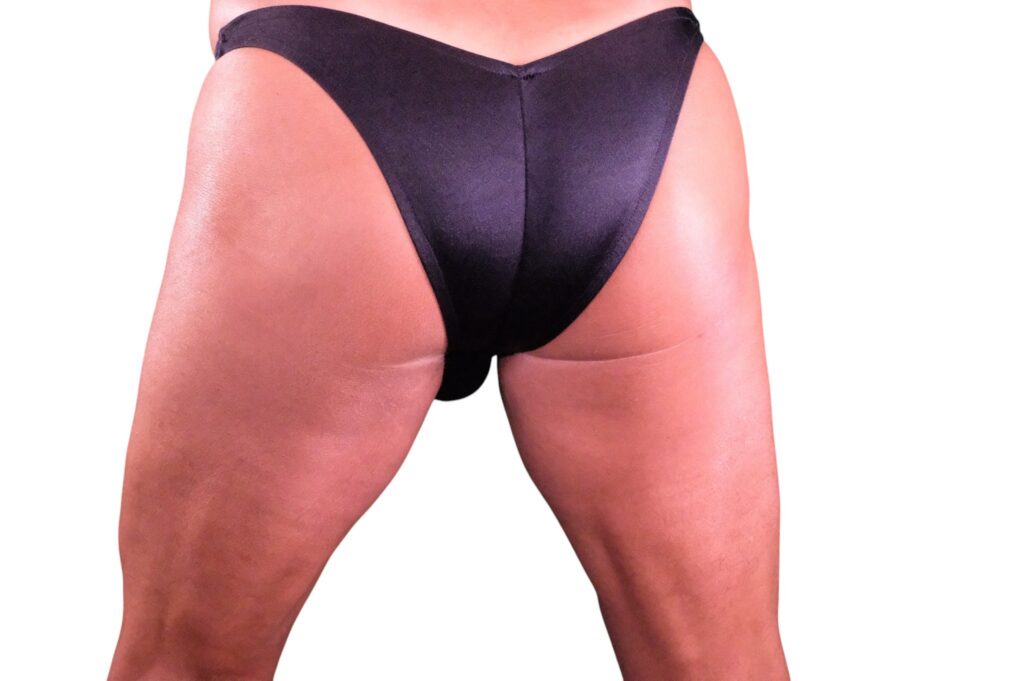
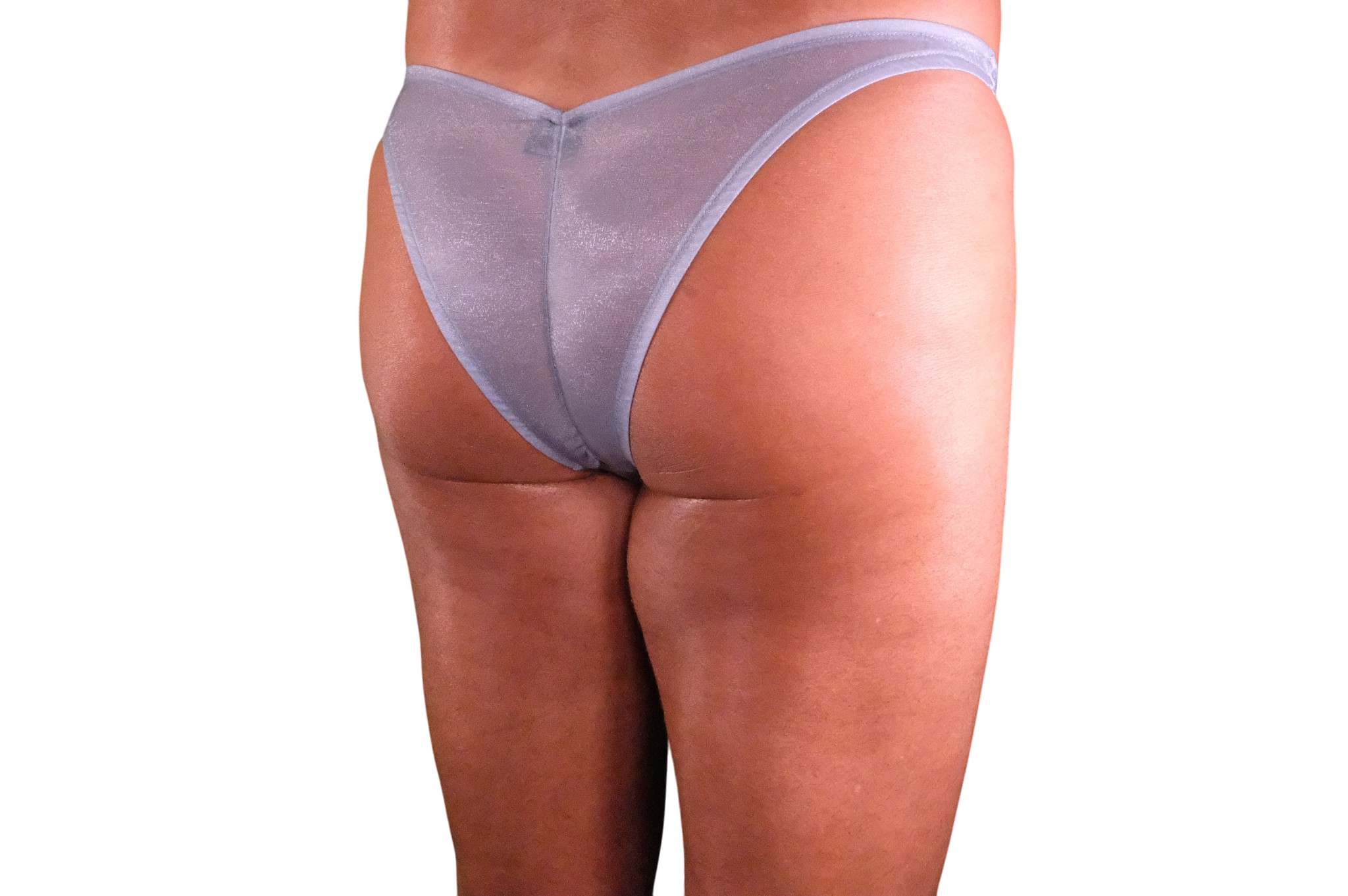
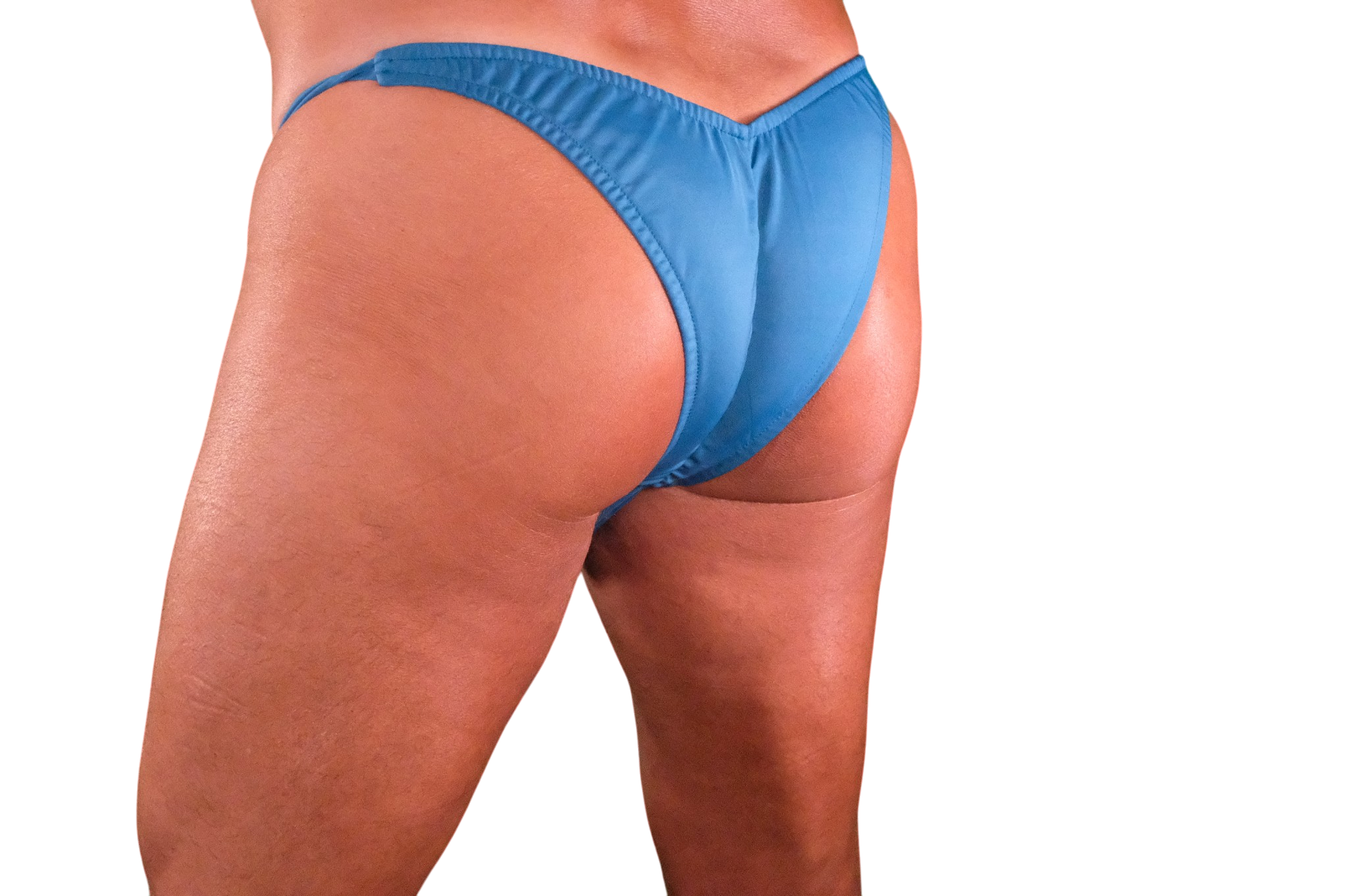
- A smaller rear panel, sometimes approaching a Brazilian bikini cut.
- Stretch fabrics that closely follow the body’s contours.
- Minimal seams and lightweight construction.
Some micro swimwear briefs retain enough coverage to resemble extremely small traditional bikinis. Others push the boundaries toward ultra-micro styles that provide little more than strategically positioned coverage.
The defining characteristic is the deliberate reduction of fabric while maintaining a wearable swimsuit.
For men who appreciate minimal swimwear, the appeal is easy to understand. A micro brief offers the sensation of wearing very little while still enjoying the appearance and functionality of swimwear.
Why Are Men Choosing Smaller Swimwear Briefs?
There is no single reason men are attracted to micro swimwear.
Some appreciate the athletic appearance of a fitted swimsuit. Others enjoy the sensation of lightweight spandex against their skin. Still others love the confidence that comes from wearing something bold and unconventional.
Several factors help explain the appeal.
1. Freedom from Traditional Men’s Fashion Rules
Men’s clothing has historically offered fewer choices in silhouette and coverage than women’s fashion.
Women can select from full-coverage swimsuits, bikinis, Brazilian cuts, thongs, and extremely minimal designs.
Men have traditionally been encouraged to stay within a much narrower range of swimwear options.
Micro swimwear challenges that expectation.
A man who enjoys wearing a tiny bikini no longer needs to view that preference as unusual or inappropriate simply because conventional men’s fashion favors shorts.
The growing variety of specialty swimwear gives men greater freedom to choose styles based on personal taste rather than gender stereotypes.
2. The Appeal of Stretch Fabrics
Modern nylon-spandex and polyester-elastane blends have made extremely small swimsuits practical.
These materials can stretch comfortably around the body while retaining their shape.
A properly designed micro brief can provide a secure fit using far less fabric than a conventional swimsuit.
For enthusiasts, the combination of lightweight material, close contact with the skin, and freedom of movement is an important part of the experience.
3. A More Complete Tan
One of the practical attractions of micro swimwear is the ability to minimize tan lines.
Traditional swim trunks cover much of the upper thighs, while even conventional swim briefs cover considerably more skin than a micro bikini.
A smaller swimsuit exposes more of the hips, upper thighs, and lower abdomen.
Men who enjoy tanning often appreciate these minimal designs, although exposed skin requires careful sun protection.
4. Confidence and Individual Expression
Wearing a micro swimsuit for the first time can feel intimidating.
Many men worry about attracting attention or being judged for choosing something different from conventional swim trunks.
However, some discover that once they become comfortable wearing a small swimsuit, the experience feels surprisingly natural.
The excitement of trying something new can eventually become ordinary confidence.
For these men, micro swimwear is not simply about revealing more skin. It is about enjoying the freedom to dress the way they prefer.
From Traditional Swimwear Briefs to Ultra-Micro Bikinis
The transition from a traditional swim brief to an ultra-micro bikini often happens gradually.
A man might begin with a conventional racing brief or Speedo-style swimsuit.
After becoming comfortable with that level of coverage, he may experiment with a narrower bikini design.
Next comes a micro brief with smaller sides and a reduced front pouch.
Eventually, he may discover ultra-micro swimsuits that use only a fraction of the fabric found in his original swimwear.
Not everyone follows this progression, and not everyone wants to. Some men prefer a classic brief indefinitely, while others begin with the smallest styles available.
The important development is the expanding range of choices.
The Micro Pouch Revolution: Men’s Swimwear Gets Smaller in Front
One of the most interesting developments in specialty men’s swimwear is the evolution of the front pouch.
For many years, some men’s bikini and swimwear designs emphasized a prominent front bulge.
Manufacturers experimented with anatomical pouches, lifting designs, contouring seams, and other features intended to accentuate the male anatomy.
That remains a popular style for some wearers.
However, a different design philosophy has emerged within the specialty swimwear market.
Instead of emphasizing a large front bulge, some men deliberately choose swimwear that creates the smallest possible front profile.
These designs include micro pouches, flattening fronts, low-profile briefs, and MTF-inspired swimwear.
What Is a Micro-Bulge Swimsuit?
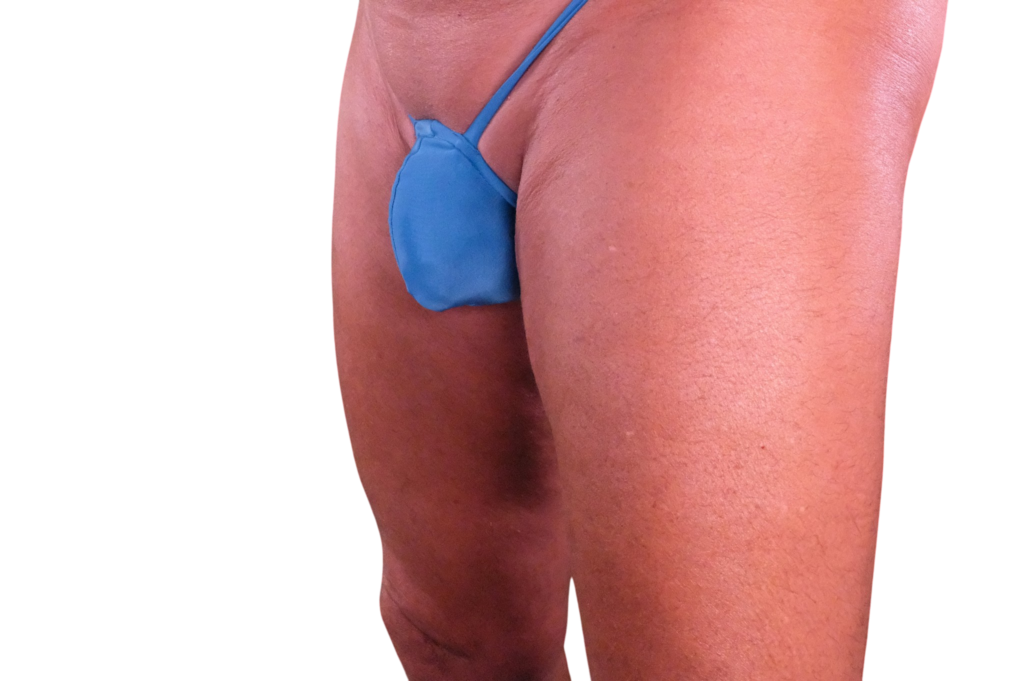
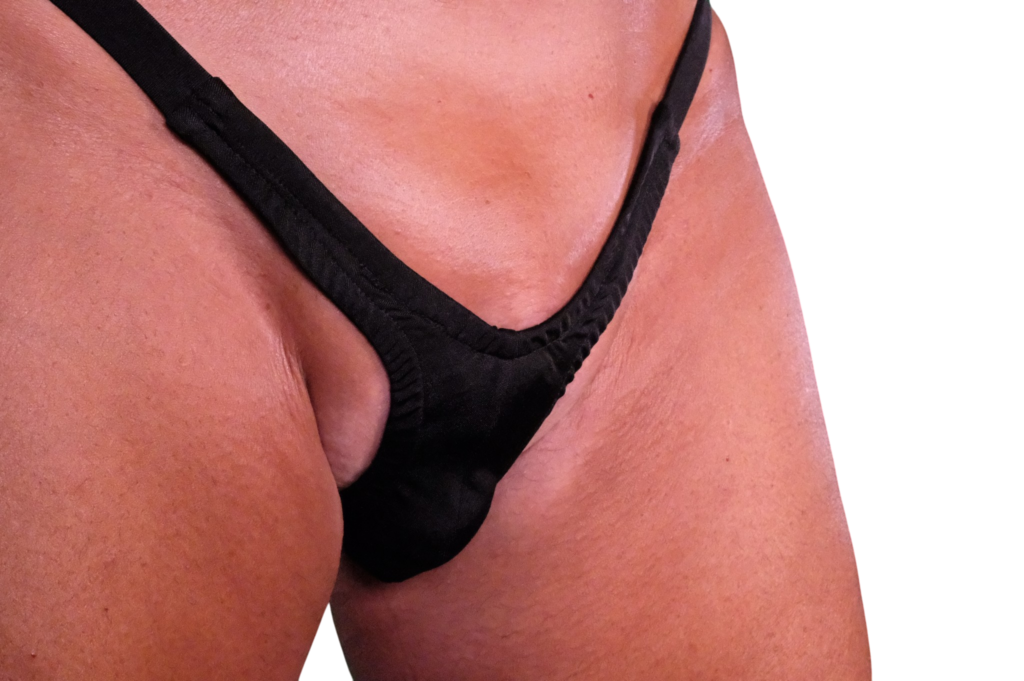
A micro-bulge swimsuit is designed to create a very small, subtle front profile.
Unlike traditional anatomical pouch swimwear, which may provide additional room or emphasize projection, micro-bulge designs use carefully shaped fabric and smaller pouch dimensions to reduce the visual prominence of the front.
Some are intended for men with naturally small anatomy. Others use compression or garment construction to create a smaller-looking silhouette.
The objective is not necessarily to conceal the entire front area. Instead, it is to achieve a minimal appearance that complements the tiny proportions of the swimsuit.
For enthusiasts who prefer this aesthetic, a small front pouch can be just as visually appealing as a more pronounced anatomical design.
Comfort and circulation remain essential. A swimsuit should never require painful compression to achieve a particular appearance.
Ultra-Micro Swimwear Briefs: How Small Can They Go?
Ultra-micro swimwear takes the principles of micro design even further.
These swimsuits may feature extremely narrow side straps, miniature front panels, and very limited rear coverage.
Some designs resemble tiny bikini bottoms, while others approach the appearance of pouch-only swimwear.
The challenge for designers is to balance minimal coverage with practical wearability.
A swimsuit that looks attractive while standing still may behave differently when walking, swimming, sitting, or getting out of the water.
That is why fabric quality, stretch recovery, stitching, and proper sizing become especially important as coverage decreases.
Ultra-micro designs are often best suited to environments where very minimal swimwear is welcome, such as private pools, certain beach resorts, or designated clothing-optional settings.
Men’s Swimwear Briefs Are Becoming More Feminine
Another important direction in micro swimwear design is the growing crossover between traditionally masculine and feminine styles.
Some men prefer swimwear with a strongly masculine appearance. Others enjoy designs inspired by women’s bikini fashion.
For these wearers, a swimsuit may feature narrow feminine-style sides, high-cut legs, delicate straps, or a front panel that resembles a women’s bikini bottom.
This trend has opened the door to a broader category of feminine men’s swimwear.
Feminine Micro Bikinis for Men
Feminine men’s micro bikinis combine elements of women’s swimwear with construction intended for male anatomy.
Depending on the design, they may feature:
- High-cut bikini silhouettes.
- Narrow, delicate-looking side straps.
- Smooth, rounded front panels.
- Minimal rear coverage.
- Feminine colors, prints, and finishes.
- Flat-front or reduced-bulge styling.
For femboys, feminine men, crossdressers, and other wearers who enjoy a softer presentation, these swimsuits provide another way to express personal style.
They can also appeal to men who simply prefer the appearance of women’s bikini fashion without identifying as feminine.
Clothing preferences do not determine sexual orientation or gender identity.
MTF Swimwear Briefs: Taking the Micro Trend in a Different Direction
One of the most distinctive developments in specialty swimwear is the emergence of MTF transformation designs.
These swimsuits are intended to create a flatter or more traditionally feminine appearance at the front.
Unlike a conventional men’s micro brief, which generally retains some form of pouch, an MTF swimsuit may be designed to minimize or visually eliminate the male bulge.
Some designs create a smooth, flat front, while others use contouring to suggest the shape of a women’s bikini bottom.
How MTF Swimwear Changes the Appearance
MTF swimwear can use several different design approaches.
Flat-front compression designs use fabric construction to reduce visible projection.
Tucking-compatible swimsuits are designed to help maintain a smooth appearance when worn with a carefully arranged tuck.
Contoured feminine fronts use shaping and seams to create the visual impression of a more traditionally feminine silhouette.
Specialty transformation designs may incorporate separate accessories or garment features to create a particular appearance.
These swimsuits can appeal to transgender women, gender-fluid individuals, crossdressers, feminine men, and anyone who enjoys experimenting with different silhouettes.
It is important to distinguish the visual effect from an anatomical change. MTF swimwear changes outward appearance; it does not transform genital anatomy.
Tucking and compression should also be approached cautiously. Pain, numbness, pinching, or discoloration are signs that a garment or technique should be stopped or adjusted.
From Micro Briefs to Men’s Thong Swimwear
For some enthusiasts, the next step beyond a micro brief is a thong swimsuit.
A thong typically provides front coverage while replacing the conventional rear panel with a narrow strip of fabric.
Men’s thong swimwear comes in many variations, including athletic thongs, bikini thongs, micro thongs, and extremely minimal designs.
The attraction is often the combination of a tiny front, narrow sides, and almost complete exposure of the buttocks.
Thong swimwear also offers a distinctive tanning advantage because it minimizes rear tan lines.
A micro thong is not necessarily smaller in every dimension than a micro brief, but it creates a very different silhouette.
For men who enjoy minimal swimwear, the choice between a micro brief and a thong often comes down to comfort, personal preference, and the setting where the swimsuit will be worn.
G-Strings: The Minimalist End of Men’s Swimwear
G-string swimsuits represent another step toward minimal coverage.
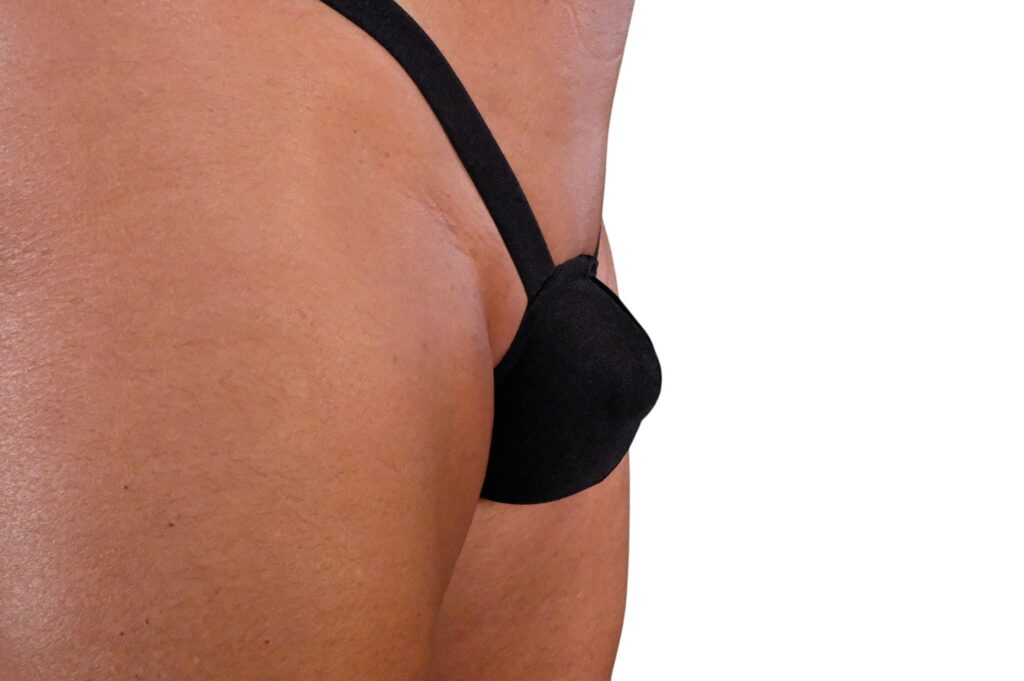
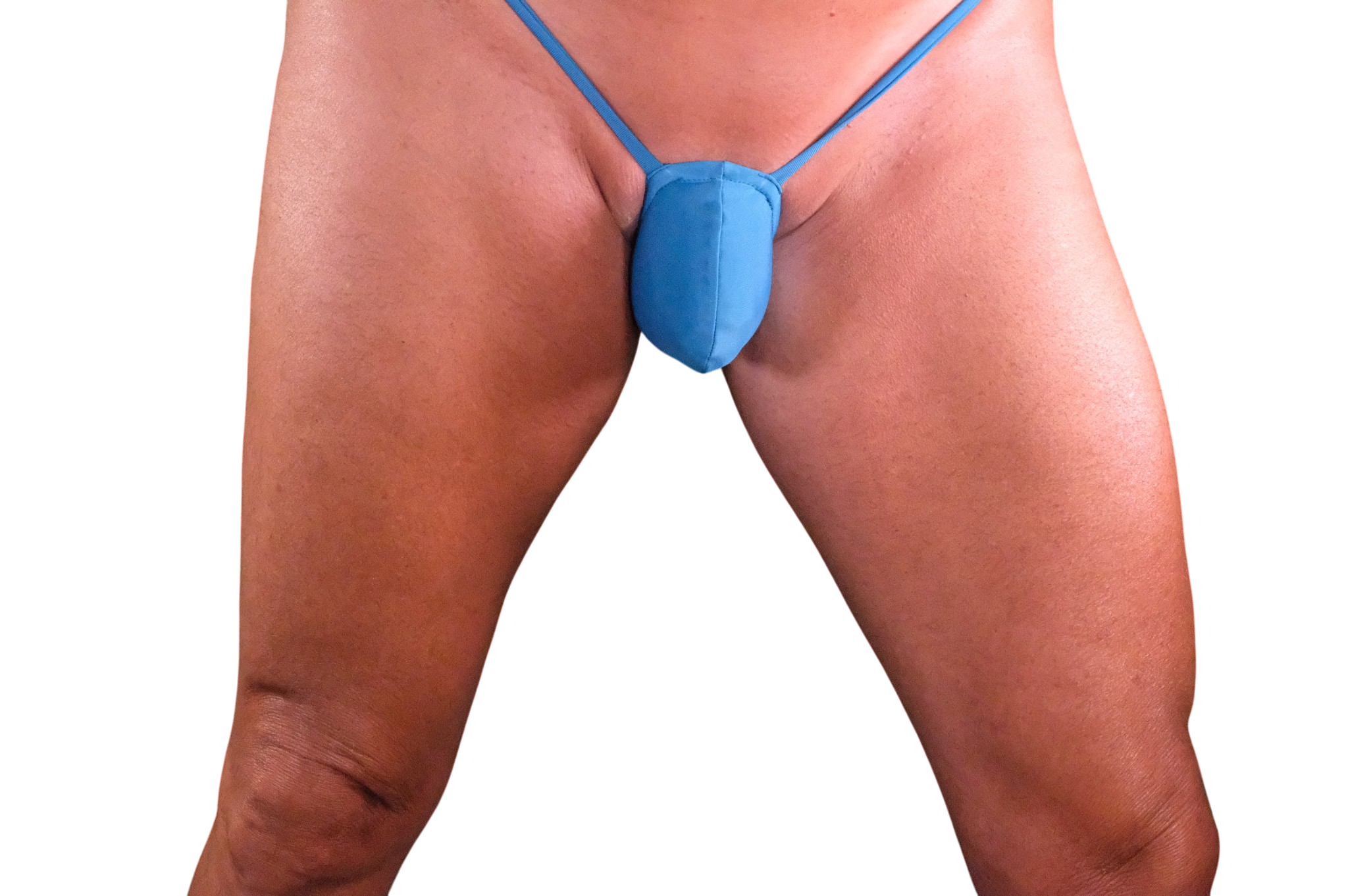
A typical G-string uses a small front panel connected to very narrow straps around the waist and between the buttocks.
Some designs use triangular fronts, while others feature pouch-shaped panels.
Compared with traditional swimwear briefs, G-strings can be dramatically smaller.
They are particularly popular within certain niche fashion, tanning, and specialty swimwear communities.
However, public acceptance varies significantly. A G-string suitable for a private pool party may not meet the dress code at a family resort or public swimming facility.
Gay Swimwear, Straight Men, and the Micro Brief Crossover
For many years, tiny men’s bikinis, thongs, and G-strings were strongly associated with gay beach culture.
Gay men have played an important role in popularizing body-conscious men’s swimwear, particularly in communities where expressive fashion and revealing silhouettes have long been accepted.
However, these styles are not exclusive to gay men.
Straight men, bisexual men, and men of many different identities also enjoy fitted swimwear, minimal coverage, and bold designs.
A straight man who likes wearing a micro bikini is not necessarily expressing anything about his sexual orientation.
He may simply enjoy the comfort, tanning benefits, athletic appearance, or unconventional styling.
This is an important distinction because fashion choices and sexual orientation are separate aspects of personal identity.
The broader availability of men’s micro swimwear makes it easier for more people to explore these designs without feeling restricted by traditional labels.
Choosing Your First Men’s Micro Swimwear Brief
For a man considering his first micro swimsuit, selecting the right design can make the experience much more enjoyable.
The smallest swimsuit is not automatically the best swimsuit.
A good first micro brief should offer an appealing combination of comfort, fit, coverage, and confidence.
Start with a Design That Feels Comfortable
A moderate micro bikini is often a practical starting point.
Look for a smaller front pouch, narrower sides, and a higher leg cut than a conventional swim brief.
This provides the visual excitement of a micro design without immediately moving to the most extreme styles.
Select the Right Front Pouch
Different pouch shapes produce very different results.
An anatomical pouch offers more room and a defined silhouette.
A micro pouch creates a smaller front appearance.
A flat-front or MTF-inspired design provides a smoother profile.
The best choice depends on the appearance the wearer wants and the amount of room needed for comfortable movement.
Pay Attention to Fabric
A quality nylon-spandex or polyester-elastane swimsuit should stretch comfortably and recover its shape.
Very thin fabrics may become more transparent when wet, particularly in light colors.
Anyone planning to wear micro swimwear at a public pool or beach should check the garment’s opacity and coverage both dry and wet.
Choose the Correct Size
Sizing is especially important with tiny swimsuits.
A suit that is too large may shift or fail to provide secure coverage.
A suit that is too small can pinch, roll, or create uncomfortable pressure.
Never assume that ordering a smaller size will automatically produce a better micro appearance.
Choose a design made for the desired silhouette rather than forcing an unsuitable garment to fit.
Wearing a Micro Swimwear Brief in Public for the First Time
For many men, the first public appearance in a micro swimsuit is the most intimidating part of the experience.
A man who has worn conventional swim trunks throughout his life may suddenly feel unusually exposed.
That reaction is understandable.
One practical approach is to begin in a setting where small swimwear is common and permitted.
A beach or resort known for welcoming bikini and thong swimwear may be more comfortable than a conservative family pool.
It can also help to wear a cover-up while walking to and from the beach.
Once settled, the wearer can enjoy the swimsuit without constantly worrying about being observed.
Confidence often develops through familiarity.
The goal is not to attract attention or make other beachgoers uncomfortable. It is to feel relaxed and comfortable in a swimsuit that reflects personal taste.
Where Can Men Wear Micro Swimwear?
Acceptance of micro swimwear varies by country, beach, resort, and local regulations.
Some European beach destinations have a long tradition of men wearing fitted swim briefs. Certain resort communities, clothing-optional beaches, and LGBTQ+-friendly destinations may also be welcoming to minimal designs.
In the United States, acceptance varies widely between locations.
Even where conventional swim briefs are common, extremely small micro bikinis, thongs, and G-strings may be restricted by local rules or venue policies.
Before visiting a pool or beach, consider checking the dress code and any applicable public-nudity regulations.
A micro swimsuit that provides secure coverage and meets local requirements is generally a more practical public choice than one that risks accidental exposure.
The Role of Koalaswim in Specialty Men’s Micro Swimwear
Specialty brands such as Koalaswim.com serve an audience looking beyond conventional men’s swimwear.
Rather than focusing exclusively on standard swim trunks and athletic briefs, specialty collections can explore a much wider range of silhouettes.
These include men’s micro bikinis, ultra-micro pouch designs, thongs, G-strings, feminine swimwear, gender-neutral styles, and MTF-inspired garments.
One of the advantages of specialty swimwear is that different designs can emphasize completely different aesthetics.
One man may want a masculine micro bikini with a defined anatomical pouch.
Another may prefer an ultra-small front that minimizes the appearance of his bulge.
A third may want a feminine bikini silhouette that produces a smooth, flat-front appearance.
All three are exploring micro swimwear, but each has a different idea of the perfect swimsuit.
Micro Swimwear Briefs and the Small-Bulge Look
The small-bulge aesthetic deserves special attention because it represents an alternative to conventional men’s swimwear styling.
Historically, many fitted men’s swimsuits were designed around the idea of providing sufficient room for the anatomy, and some specialty designs deliberately emphasized a prominent pouch.
Today, men who prefer a subtle or nearly flat front have more design choices.
These include reduced-volume pouches, smoothing fabrics, and garments inspired by feminine bikini construction.
For men with naturally small anatomy, a properly designed micro pouch can provide a close fit without unnecessary extra fabric.
For men with average anatomy, a low-profile design may reduce visible projection, provided it does not create excessive compression.
The important principle is that there is no single ideal appearance.
A pronounced bulge, a subtle pouch, and a flat-front silhouette are all valid swimwear preferences.
Can Men with Different Body Types Wear Micro Swimwear?
Absolutely.
One of the persistent myths surrounding tiny swimsuits is that they are suitable only for young, muscular, exceptionally lean men.
In reality, micro swimwear can be worn by adults of many ages and body types.
The key is choosing a cut that feels comfortable and secure.
A man with a larger waist may prefer a slightly wider side panel.
A leaner man may enjoy a high-cut design with narrow straps.
Someone who wants additional front support may select a structured pouch, while another wearer may prefer a softer, flatter silhouette.
Micro swimwear is not reserved for a particular body type.
Personal confidence, appropriate fit, and individual taste matter far more than meeting a specific physical ideal.
Are Men’s Swimwear Briefs Going to Get Even Smaller?
Specialty swimwear designers continue to experiment with reduced fabric coverage, new stretch materials, alternative pouch construction, and increasingly minimal silhouettes.
That suggests plenty of room for further innovation.
However, there are practical limits.
A swimsuit still needs to stay in place, remain comfortable, provide the intended coverage, and function in the environment where it is worn.
Future designs may focus not only on reducing fabric but also on improving fit, shaping, security, and the appearance of different body silhouettes.
Some of the most interesting possibilities include more sophisticated micro-bulge construction, improved flat-front swimwear, reversible designs, and garments that blend masculine and feminine styling.
Rather than a single trend toward smaller suits, the future may bring a wider range of highly specialized micro designs.
Frequently Asked Questions About Men’s Micro Swimwear Briefs
What is the difference between a men’s swim brief and a micro brief?
A traditional swim brief generally provides more fabric across the front, sides, and rear. A micro brief reduces coverage and often features narrower sides, higher-cut legs, and a smaller front pouch.
Are micro swimwear briefs only for gay men?
No. Men of all sexual orientations wear micro swimwear. A preference for tiny bikinis or thongs does not indicate whether someone is gay, straight, or bisexual.
Can a man wear a micro bikini at a public beach?
In many locations, yes, provided the swimsuit meets applicable coverage requirements. Local laws and beach rules vary, so checking before visiting is advisable.
What is an ultra-micro swimsuit?
An ultra-micro swimsuit uses even less fabric than a conventional micro bikini. It may feature an exceptionally small front panel, narrow straps, and minimal rear coverage.
What is a micro-bulge swimsuit?
A micro-bulge swimsuit is designed to create a very small front profile. Some use reduced-size pouches, while others rely on low-profile shaping or smoothing construction.
Can a micro swimsuit make the front look feminine?
Yes. Certain flat-front and MTF-inspired swimsuits are designed to produce a smoother, more traditionally feminine bikini silhouette.
Are micro swimsuits comfortable for swimming?
Some are, particularly when constructed from supportive stretch fabrics with secure straps. Extremely minimal designs may be better suited to tanning or lounging than vigorous swimming.
Do micro swimsuits come in larger sizes?
Some specialty manufacturers offer a range of sizes. The important consideration is selecting a garment that fits the waist, hips, and front comfortably rather than focusing only on the size label.
What is the best micro swimsuit for a beginner?
A moderately cut micro bikini with secure front coverage, comfortable side panels, and opaque stretch fabric is often a good starting point.
Are micro briefs, thongs, and G-strings the same thing?
No. Micro briefs typically retain a recognizable rear panel. Thongs provide a narrow rear strip, while G-strings generally use even narrower straps and minimal fabric.
Conclusion: Men’s Swimwear Briefs Have Entered the Micro Era
Men’s swimwear has come a long way from the days when a conventional Speedo-style brief was considered the most daring option available.
Today, specialty designers offer an extraordinary variety of small and ultra-small swimsuits.
Micro briefs provide a sleek, minimal alternative to conventional swimwear. Ultra-micro bikinis push fabric coverage even further. Thongs and G-strings offer additional options for men who prefer very little material.
Meanwhile, micro-bulge, flat-front, and MTF-inspired designs are expanding the possibilities for men who prefer a subtle, feminine, or gender-neutral appearance.
What makes this evolution especially interesting is not simply that swimsuits are getting smaller.
It is that men’s swimwear is becoming more individual.
Some men want to emphasize their masculine appearance. Others prefer a softer, more feminine silhouette. Some enjoy the tiniest possible front pouch, while others choose the traditional anatomical look.
There is no longer any reason for all men’s swimwear to follow the same design philosophy.
For men interested in exploring these alternatives, specialty collections such as those at Koalaswim.com offer a place to discover styles beyond conventional swim briefs.
The future of men’s swimwear is about more than tiny bikinis. It is about freedom of expression, innovative design, comfort, and the ability to choose a swimsuit that feels right for the individual.
Men’s swimwear briefs have gone micro, and for enthusiasts of minimal swimwear, that opens up an entirely new world of possibilities.